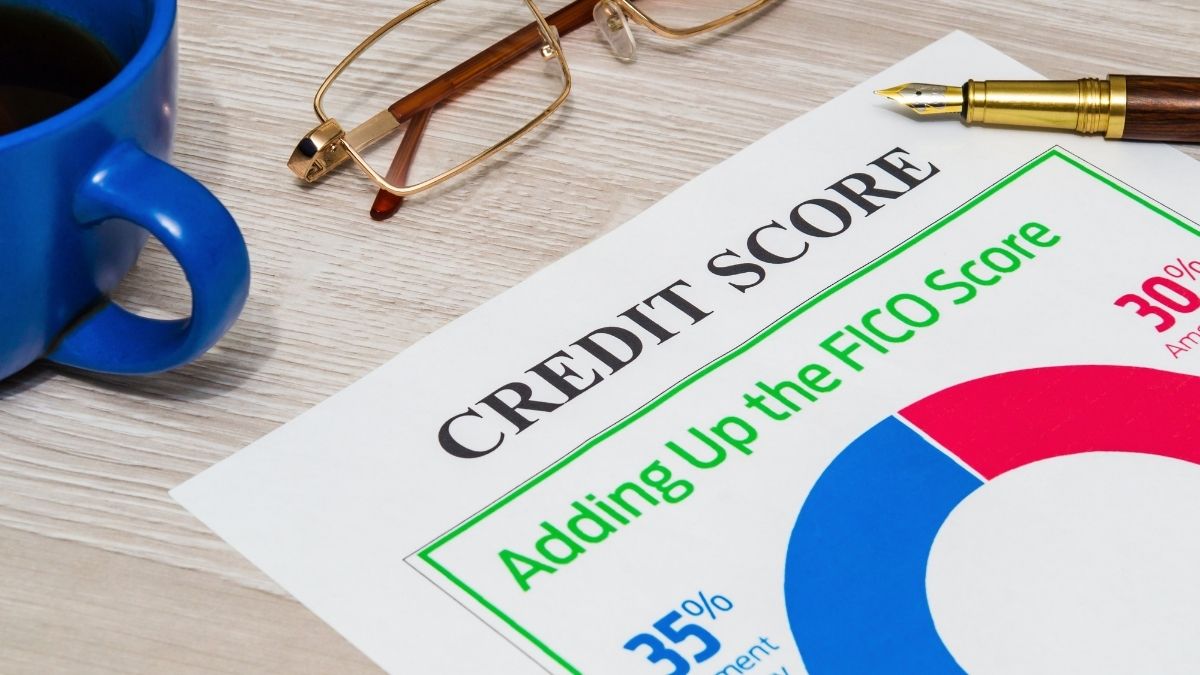
Your credit score is one of the most important numbers in your financial life. It influences whether you qualify for loans, the interest rates you receive, and even how much you pay for insurance. While many people only think about their credit score when applying for a loan, its impact extends much further.
The higher your credit score, the less expensive borrowing becomes. Even small improvements can unlock better financial opportunities and save you thousands of dollars over time.
Understanding Credit Score Ranges
Credit scores generally fall into five categories:
- Excellent: 800–850
- Very Good: 740–799
- Good: 670–739
- Fair: 580–669
- Poor: Below 580
Moving from one tier to the next may seem minor, but lenders view each increase as a sign of reduced risk. As a result, you often receive lower interest rates and more favorable lending terms.
Mortgage Savings Can Be Massive
For most people, a mortgage is the largest financial commitment they will ever make. Because of the loan size and repayment period, even a small difference in interest rates can have a significant impact.
Consider a $400,000 30-year fixed mortgage:
| Credit Score | Estimated APR | Monthly Payment | Total Interest |
| 620 | 7.50% | $2,797 | $606,920 |
| 680 | 6.90% | $2,635 | $548,600 |
| 740 | 6.40% | $2,503 | $501,080 |
| 800 | 6.10% | $2,423 | $472,280 |
If you improve your score from 620 to 740, you could save nearly $300 per month and more than $105,000 in interest over the life of the loan. That is money that can be invested, saved, or used for other financial goals.
Better Credit Means Cheaper Auto Loans
Your credit score also affects vehicle financing. Although auto loans are shorter than mortgages, the savings can still be substantial.
For a $40,000 vehicle financed over 72 months:
| Credit Score | Estimated APR | Monthly Payment | Total Interest |
| 600 | 11.5% | $771 | $15,512 |
| 700 | 7.0% | $682 | $9,104 |
| 760+ | 5.5% | $654 | $7,088 |
Improving your score from 600 to 760+ can reduce your monthly payment by more than $100 and save over $8,000 in interest charges.
Personal Loans Become More Affordable
Personal loans often carry higher interest rates because they are usually unsecured. This makes your credit score even more important.
For a $20,000 personal loan over five years:
| Credit Score | Estimated APR | Monthly Payment | Total Interest |
| 620 | 19% | $519 | $11,140 |
| 700 | 12% | $445 | $6,700 |
| 760+ | 8% | $406 | $4,360 |
A stronger credit profile can save you nearly $7,000 in interest while lowering your monthly payment.
Additional Benefits Beyond Loans
Credit scores influence more than borrowing costs. Higher scores often unlock advantages in several areas of your financial life.
You may qualify for:
- Lower credit card interest rates
- Better balance transfer offers
- Higher credit limits
- Premium rewards programs
- Reduced insurance premiums
Many insurance companies use credit-based insurance scores when determining rates. Over time, lower premiums for auto, renters, and homeowners insurance can add up to thousands of dollars in savings.
The Long-Term Financial Impact
The real value of a strong credit score becomes clear when you look at the bigger picture.
Potential lifetime savings from improving your score could include:
- Mortgage interest savings: $105,000+
- Auto loan savings: $8,400+
- Personal loan savings: $6,800+
- Insurance premium reductions: $10,000+
- Credit card interest savings: $5,000+
Combined, these savings can exceed $135,000 over your lifetime.
Few financial decisions offer a return that large.
How You Can Improve Your Credit Score
Improving your credit score requires consistency rather than quick fixes. The most effective strategies include:
- Paying every bill on time
- Keeping credit utilization below 30%
- Maintaining older credit accounts
- Limiting new credit applications
- Reviewing your credit reports regularly
- Disputing any reporting errors
- Reducing outstanding debt balances
Progress may take time, but every improvement can help you secure better financial terms in the future.
A Strong Credit Score Is an Investment
A credit score is more than a number on a report. It is a financial tool that affects borrowing costs, monthly payments, insurance rates, and access to opportunities.
The difference between a fair score and an excellent score can translate into tens of thousands of dollars in savings over the years. By focusing on responsible credit habits today, you create financial advantages that continue to pay dividends long into the future.
Leave a Reply