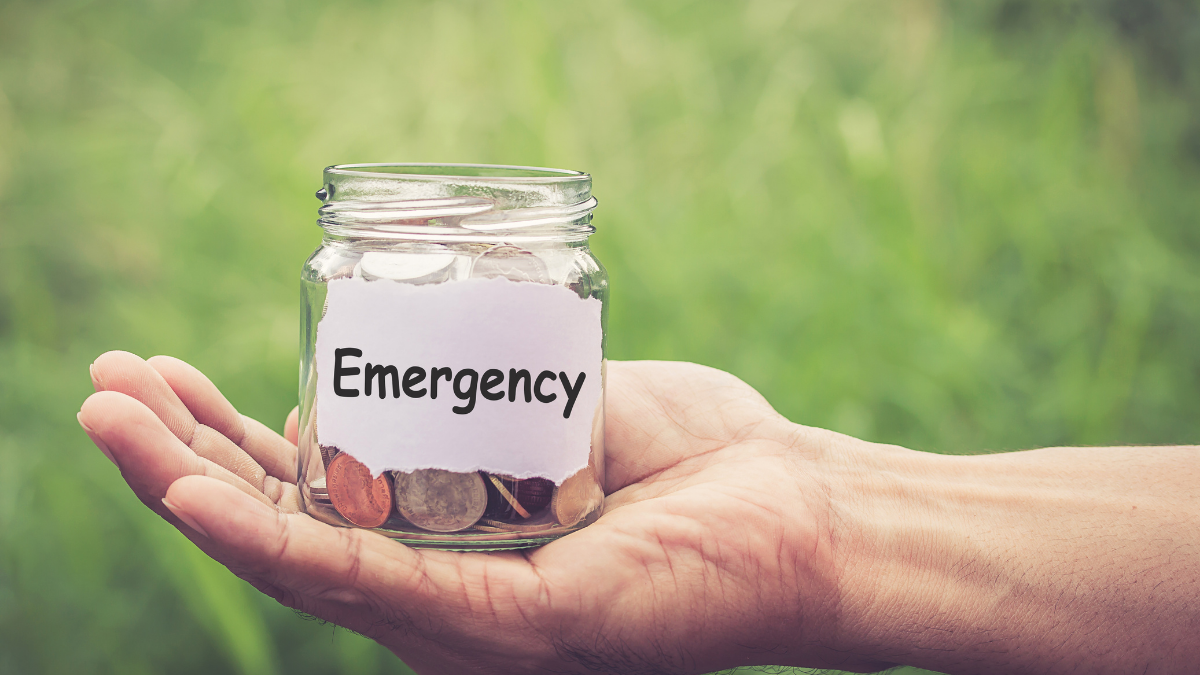
An emergency fund is one of the most important financial tools you can have. It helps protect you from unexpected expenses and reduces the need to rely on credit cards or loans when life doesn’t go according to plan.
While the traditional recommendation remains three to six months of living expenses, the right amount depends on your job stability, income, family situation, and overall financial risk.
What Is an Emergency Fund?
An emergency fund is money set aside specifically for unexpected financial events. Its purpose is to provide a safety net when unforeseen expenses or income disruptions occur.
Common Triggers for Emergency Funds
Your emergency savings may be needed for:
- Job loss or unemployment
- Medical emergencies
- Major car repairs
- Home repairs
- Family emergencies
- Unexpected travel costs
- Temporary income disruptions
Having cash available can prevent a short-term setback from becoming a long-term financial problem.
The Traditional Rule: 3 to 6 Months of Expenses
For years, financial experts have recommended saving enough to cover three to six months of essential living expenses.
This guideline remains a practical starting point for most households because it balances financial security with realistic savings goals.
What Counts as Essential Expenses?
When calculating your target, include:
- Rent or mortgage payments
- Utilities
- Groceries
- Insurance premiums
- Transportation costs
- Minimum debt payments
- Healthcare expenses
Focus on necessities rather than discretionary spending.
The Numbers in Practice
Consider a household with $3,500 in monthly essential expenses.
Estimated emergency fund targets:
- Three months: $10,500
- Six months: $21,000
The right target depends on your personal circumstances and comfort level.
Why Some People Need More Than Six Months
While six months is sufficient for many households, others face greater financial uncertainty and may benefit from larger reserves.
Who Should Target 6–12 Months?
Consider a larger emergency fund if you are:
- Self-employed
- A freelancer or contractor
- A small business owner
- Supporting multiple dependents
- Nearing retirement
- Earning variable income
These situations often involve less predictable cash flow and a greater need for financial flexibility.
Why Some People May Need Less
Not everyone requires a large emergency fund.
Individuals with highly stable finances may be comfortable with a smaller reserve while still maintaining adequate protection.
Candidates for Smaller Funds
You may need less if you have:
- Stable long-term employment
- A dual-income household
- Minimal debt
- Strong family support
- Additional liquid assets
Even so, maintaining at least several months of expenses remains a wise goal.
The Impact of Inflation in 2026
Inflation continues to affect household budgets across many expense categories.
As costs rise, emergency fund targets should be reviewed regularly to ensure they remain adequate.
Expenses Most Affected by Inflation
Areas that may require larger savings reserves include:
- Housing
- Groceries
- Healthcare
- Insurance
- Transportation
Reviewing your emergency fund annually can help keep pace with changing living costs.
A Simple Formula
Determining your emergency savings goal doesn’t have to be complicated.
Step 1: Calculate Essential Monthly Expenses
Add together all non-negotiable monthly costs, including housing, utilities, food, insurance, transportation, and minimum debt payments.
Step 2: Multiply by Your Target Range
Use the number of months appropriate for your situation.
General guidelines include:
- Stable employment: 3–6 months
- Dual-income households: 3–6 months
- Self-employed workers: 6–12 months
- Variable-income earners: 6–12 months
- Near retirement: 9–12 months
Where Should You Keep Emergency Savings?
The primary goals of an emergency fund are safety and accessibility.
Your money should be available when you need it without exposing it to significant market risk.
Recommended Accounts
Suitable options include:
- High-yield savings accounts
- Money market accounts
- FDIC-insured bank accounts
- Credit union savings accounts
Where Not to Keep Emergency Funds
Avoid placing emergency savings in:
- Stocks
- Cryptocurrency
- Long-term CDs with penalties
- High-risk investments
Emergency funds should remain stable and readily accessible.
How to Build an Emergency Fund Faster
Building a meaningful cash reserve takes time, but several strategies can help accelerate the process.
Effective Savings Strategies
Consider:
- Automating savings transfers
- Depositing tax refunds into savings
- Using side-income earnings
- Reducing discretionary spending
- Saving bonuses and windfalls
Consistency often matters more than the size of each contribution.
Common Emergency Fund Mistakes
Even diligent savers can make mistakes that weaken their financial safety net.
Pitfalls to Avoid
Common errors include:
- Investing emergency savings
- Using funds for non-emergencies
- Ignoring inflation
- Maintaining insufficient reserves
- Delaying savings until all debt is paid off
Avoiding these mistakes can improve your long-term financial resilience.
Signs Your Emergency Fund Is Too Small
Your current savings may not provide enough protection if certain warning signs are present.
Red Flags to Watch For
Consider increasing your emergency fund if:
- One unexpected expense would require borrowing
- You frequently use credit cards for emergencies
- You work in a volatile industry
- Your income varies significantly
- Multiple people depend on your income
These situations often require a larger financial cushion.
Building the Right Emergency Fund for Your Situation
For most households in 2026, saving three to six months of essential expenses remains a solid benchmark. However, your ideal emergency fund depends on your employment stability, income consistency, family responsibilities, and overall financial risk.
The goal isn’t simply to reach a specific number. It’s to create enough financial security that unexpected events don’t force you into debt or derail your long-term financial plans. A well-funded emergency reserve provides flexibility, confidence, and peace of mind no matter what challenges arise.
Leave a Reply