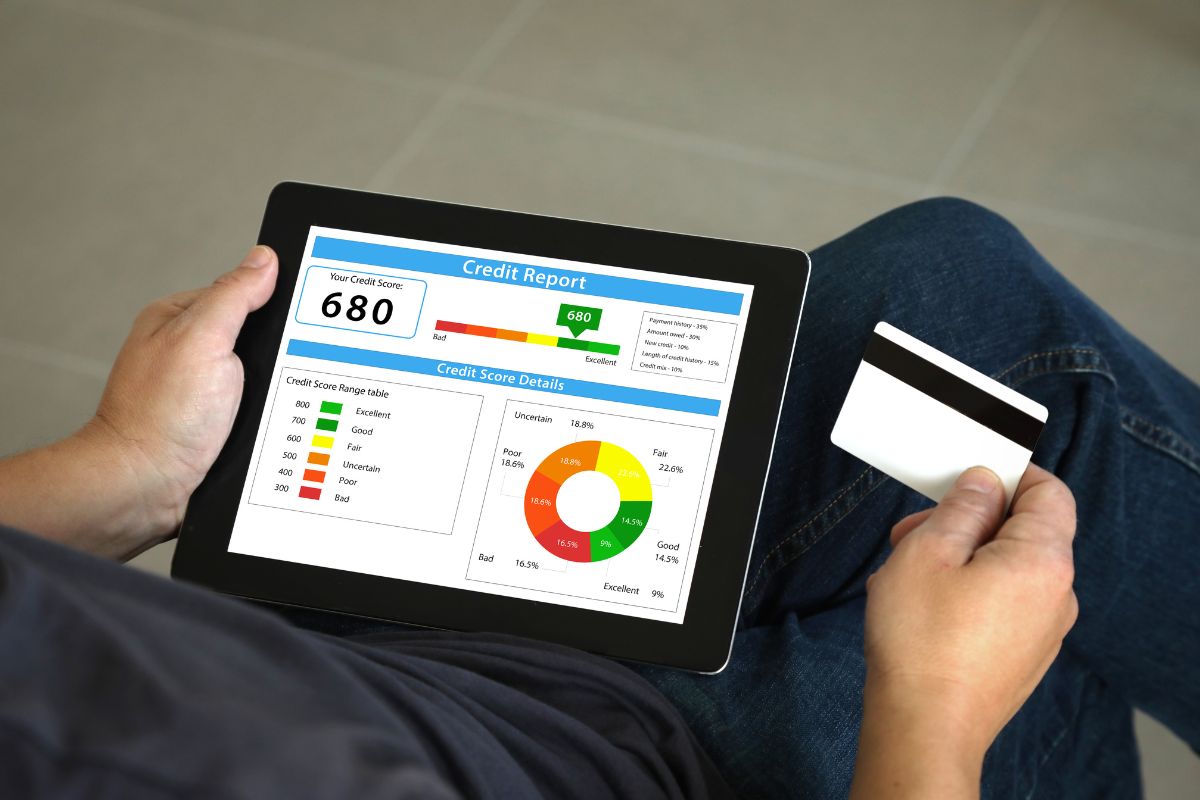
Did you know that 79% of Americans have at least one credit card, but many aren’t maximizing its potential to build their credit score? I’ve spent years helping people transform their credit cards from simple payment tools into powerful credit-building assets. Whether you’re starting fresh or aiming to boost an existing score, these strategic approaches will help you leverage your credit card for a stronger financial future.
Selecting the Right Credit Card for Score Building
Secured credit cards serve as an excellent starting point for individuals new to credit or those rebuilding their financial history. These cards require a security deposit, which typically becomes your credit limit, providing a safe way to establish positive credit behaviors. Student credit cards offer another viable option, specifically designed for college students with limited credit history. These cards frequently include educational resources and more lenient approval requirements.
Essential Payment Practices That Impact Your Score
Payment history constitutes the largest portion of your credit score calculation. Understanding payment due dates and grace periods becomes crucial for maintaining a positive credit record. Setting up automatic payments ensures you never miss a due date, protecting your score from the significant damage of late payments.
While making minimum payments keeps your account current, consistently paying more than the minimum demonstrates stronger financial management. This practice also helps avoid accumulating interest charges and maintains a healthy credit utilization ratio.
Mastering Credit Utilization for Maximum Impact
Credit utilization, the percentage of available credit you’re using, significantly influences your credit score. The optimal strategy involves maintaining utilization below 30%, with even better results achieved at less than 10%. Regular balance monitoring helps maintain these target levels.
Strategic payment timing can further optimize your reported utilization. Making payments before your statement closing date often results in lower reported balances. Requesting credit limit increases can improve your utilization ratio, provided spending remains constant.
Advanced Credit-Building Techniques
Becoming an authorized user on a responsible person’s credit card account can accelerate credit building, assuming the issuer reports authorized user activity to credit bureaus. Maintaining a diverse credit mix demonstrates comprehensive credit management skills to potential lenders.
Keeping older credit accounts active contributes to a longer credit history length, positively impacting your score. Services like Experian Boost allow you to include rent and utility payments in your credit report, potentially boosting your score through responsible payment of these regular bills.
Monitoring and Maintaining Your Progress
Regular credit report reviews enable you to track progress and identify areas for improvement. Free annual reports from each major credit bureau provide comprehensive insights into your credit status. Prompt dispute filing for any inaccuracies ensures your report remains correct and representative of your credit management efforts.
Setting specific score improvement goals helps maintain focus on long-term credit building objectives. Track progress through credit monitoring services, which often provide monthly score updates and alert you to significant changes in your credit profile.
Your Path to Credit Excellence
Building a strong credit score with credit cards isn’t just about having plastic in your wallet—it’s about implementing these strategies consistently. Start with one or two techniques that feel most manageable, and gradually incorporate others as you become more comfortable. Remember, every positive action you take today contributes to stronger creditworthiness tomorrow.
Disclaimer
This article is intended for general informational purposes only and does not constitute financial, legal, or professional advice. The strategies discussed may not apply to all situations or credit cards. Always review the specific terms and conditions of any credit card offer and consult with a qualified financial advisor before making decisions related to your personal finances.
Leave a Reply