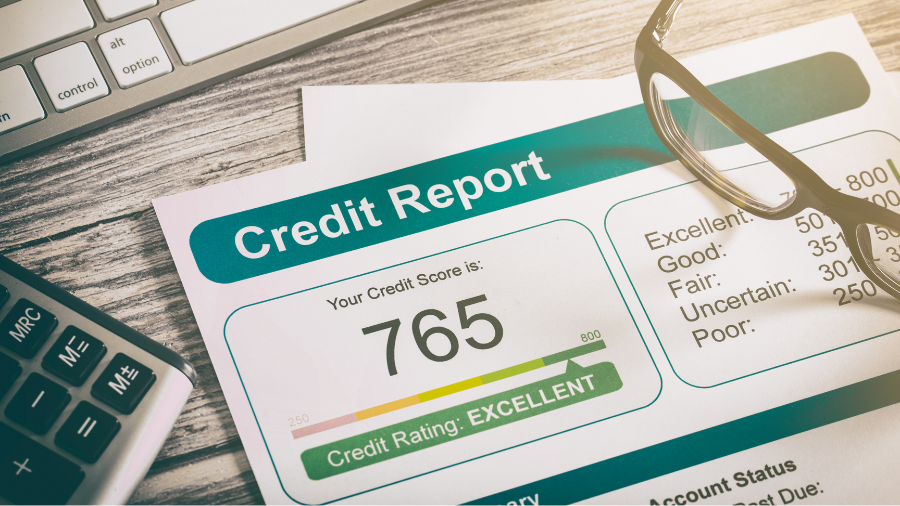
Did you know that 1 in 5 Americans have an error on their credit report that could be affecting their score? Your credit report isn’t just another financial document—it’s essentially your financial reputation distilled into data points. Whether you’re applying for a mortgage, a new credit card, or even certain jobs, this document tells your financial story to anyone who’s authorized to see it.
I’ve spent years helping people understand their credit reports, and I’ve found that most people are shocked by what they discover when they finally take a look. The good news? Knowledge is power when it comes to your credit. Let’s break down exactly what you’ll find in this crucial financial dossier maintained by Equifax, Experian, and TransUnion—and why it matters so much to your financial health.
The Basics: What Exactly Is a Credit Report?
A credit report is your financial dossier—a comprehensive summary of your borrowing and repayment behavior that plays a pivotal role in your financial life. This document contains critical information collected and maintained by the three major credit bureaus: Equifax, Experian, and TransUnion. Each bureau independently gathers data about your credit activities, creating slightly different versions of your financial portrait.
Financial institutions rely heavily on these reports when making lending decisions. Before approving your mortgage, car loan, or credit card application, lenders scrutinize this document to assess your creditworthiness. Beyond lenders, insurance companies often review this information to determine premium rates, and approximately 47% of employers examine credit reports during hiring processes for certain positions.
You’re legally entitled to one free copy annually from each of the three bureaus through annualcreditreport.com. This federally authorized website serves as the only official source for obtaining your free annual reports. Additionally, many credit bureaus now offer frequent online updates or continuous monitoring services, some at no cost. Throughout 2025, several expanded free credit monitoring services will become available to consumers.
Personal Information: Your Financial Identity
Identity Markers
Your credit report begins with a comprehensive listing of your personal identifiers. This includes your full legal name and any variations or aliases you’ve used on financial applications. Each name variation remains associated with your report, creating a complete history of how you’ve identified yourself financially.
Residence Timeline
The report meticulously documents your current address and previous residences, often accompanied by dates indicating when you lived at each location. This residence timeline can span many years, creating a geographical history of your adult life.
Secure Identifiers
For security purposes, your birth date appears in full, while your Social Security Number is partially masked, typically showing only the last four digits. This protective measure helps prevent identity theft while still confirming your identity.
Employment Records
Many reports include your employment history, listing current and previous employers. This information generally comes from credit applications rather than independent verification, which explains why it might sometimes be incomplete or outdated.
Red Flags
Carefully examine all personal information for signs of potential identity theft. Unrecognized names, unfamiliar addresses, or employers you’ve never worked for could indicate someone has accessed your credit identity. These discrepancies represent serious warning signs warranting immediate investigation.
When reviewing this section, verify all information is accurate. If you discover discrepancies, document them carefully before contacting the credit bureau to file a formal dispute. Even minor errors in personal information can sometimes indicate larger problems.
Credit Accounts: The Heart of Your Report

Revolving Credit Accounts
The core of your credit report catalogs all revolving accounts, including credit cards, store cards, and lines of credit. These accounts allow you to borrow up to a certain limit, repay, and borrow again without reapplying. Each revolving account entry shows your payment patterns, balance fluctuations, and utilization rates.
Installment Loans
Your report also details all installment loans, which include mortgages, auto loans, student loans, and personal loans. Unlike revolving accounts, these involve borrowing a fixed amount and repaying through scheduled installments. The report tracks how consistently you’ve made these regular payments.
Account Details
For each credit account, the report provides specific identifiers:
- Complete lender name and contact information
- Partial account numbers (typically masked for security)
- Account opening dates and, if applicable, closing dates
- Original loan amounts or credit limits
- Current balance information updated periodically
Balance and Status Indicators
Your report clearly displays your current outstanding balances alongside credit limits for revolving accounts or original loan amounts for installment accounts. This information directly impacts your credit utilization ratio—a significant factor in your credit score calculation.
Payment status indicators use standardized designations: “Current” indicates on-time payments, while late payments appear marked as 30, 60, 90, or 120+ days past due. Accounts in default, charge-off status, or collections receive distinct negative designations.
Payment Timeline Visualization
Many reports include a month-by-month grid showing your payment history, often spanning 24-48 months. This visual representation immediately reveals any payment irregularities, with on-time payments typically marked as “OK” or with a checkmark, while late payments display the number of days delinquent.
Information Retention Periods
Positive account information typically remains on your report for approximately ten years after closing. Negative information, including late payments, generally stays for seven years from the date of the delinquency. Closed accounts in good standing contribute positively to your length of credit history, a key scoring factor.
Inquiries: Who’s Checking Your Credit?
Hard vs. Soft Inquiries Explained
Your credit report distinctly separates hard inquiries from soft inquiries. Hard inquiries occur when lenders review your credit for approval decisions—applying for a mortgage, auto loan, credit card, or apartment rental typically generates these inquiries. Each hard inquiry can potentially lower your credit score by 5-10 points, though this impact diminishes over time.
Soft inquiries, conversely, don’t affect your score. These occur when you check your own credit, when companies send pre-approved credit offers, or when existing creditors review your account. Examples include employer background checks, insurance quote applications, and your personal credit checks.
Timeline and Impact
Hard inquiries remain visible on your report for two years but generally only impact your score for the first year. Multiple inquiries for the same loan type (mortgage, auto) within a 14-45 day window typically count as a single inquiry for scoring purposes, allowing you to comparison shop without excessive score penalties.
Identifying Unauthorized Inquiries
Regular report monitoring helps identify potentially unauthorized inquiries. If you spot a hard inquiry you don’t recognize, it could indicate someone has applied for credit in your name. Document the unauthorized inquiry with specific dates and companies involved before contacting both the credit bureau and the company that made the inquiry.
Minimizing Inquiry Impact
Strategic credit application timing helps minimize unnecessary hard inquiries. Consider:
- Spacing credit applications several months apart
- Completing all rate shopping within a two-week window
- Asking potential creditors which type of inquiry they’ll perform
- Checking your own pre-qualification status when offered (these use soft inquiries)
Beyond the Report: Taking Control of Your Credit
Your credit report isn’t just a historical document—it’s a living financial tool that you can actively manage. By understanding what’s in your report, you’re empowered to make informed decisions about your credit. Regular monitoring helps you catch errors early, identify potential fraud, and track your progress as you build stronger credit.
Remember that your credit report is ultimately a reflection of your financial habits. While you can’t change past mistakes overnight, consistent positive behaviors will gradually improve your credit profile. Whether you’re rebuilding damaged credit or maintaining an excellent score, knowledge of what’s in your report is your first step toward financial confidence.
Don’t wait for a loan application to check your credit—make it a regular part of your financial routine. Your future self (and your future loan interest rates) will thank you.
Leave a Reply