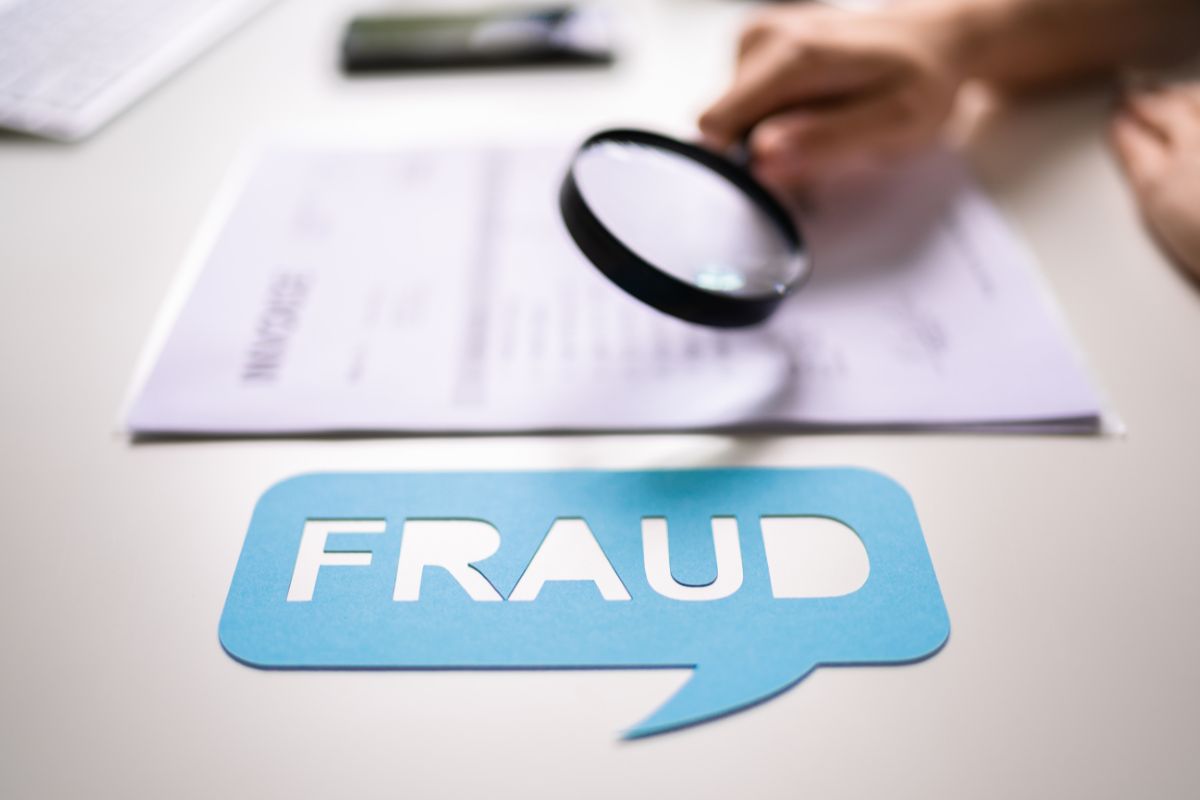
According to recent data, credit card fraud cases surged by 35% in the past year alone, costing Americans billions. I’ve spent years helping people recover from financial fraud, and I’ll share key insights on how to reduce your risk from these increasingly sophisticated scams. Whether you’re shopping online or swiping in-store, understanding these vital signs and preventive measures can go a long way toward protecting your finances.
Warning Signs That Your Card Has Been Compromised
Unexpected credit card declines during legitimate transactions serve as a critical early warning sign of potential fraud. When your card is rejected despite having sufficient funds and being in good standing, your issuer may have detected suspicious activity and implemented protective measures.
Unauthorized transactions appearing on your statements demand immediate attention. These charges often begin with small test purchases before escalating to larger amounts. Scrutinize even minor unrecognized charges, as fraudsters frequently use this technique to verify card validity.
New account notifications or statements for accounts you never opened indicate potential identity theft. Criminals may use your personal information to establish fraudulent credit lines in your name. Similarly, missing financial mail suggests someone may have redirected your correspondence to conceal unauthorized activity.
Essential Daily Protection Habits
Safeguarding personal information requires constant vigilance. Never share credit card details, PINs, or passwords, particularly in response to unsolicited communications. Create strong, unique passwords for each financial account and change them regularly.
Regular account monitoring is an important part of early fraud detection. Review transactions weekly and enable real-time alerts for all account activity. Secure your physical cards in a protected location and report any lost or stolen cards immediately to your issuer.
Online shopping demands additional precautions. Verify website security by confirming the presence of “https://” and the padlock icon in your browser. Avoid accessing financial accounts through public Wi-Fi networks, which may not be adequately protected.
Modern Fraud Schemes to Watch For
Card-present fraud involves criminals using stolen physical cards for in-person transactions. Meanwhile, card-not-present fraud continues rising as thieves exploit online, phone, and mail order purchases using stolen card information.
Application fraud occurs when criminals use stolen or falsified documents to open new accounts under others’ identities. Account takeover schemes target existing accounts through various methods, including social engineering and data breaches.
Security Measures Worth Implementing
Virtual card numbers offer an extra layer of security for online transactions. These temporary numbers link to your actual account while keeping your real card details secure. EMV chip technology significantly reduces counterfeit card fraud risk during in-person transactions.
Multi-factor authentication adds crucial security layers to account access. Regular device updates ensure your security software remains effective against emerging threats. Social engineering awareness helps prevent manipulation by fraudsters seeking sensitive information.
What to Do Immediately If Fraud Is Suspected
Contact your card issuer immediately upon discovering suspicious activity. Request an immediate card block and replacement while documenting all unauthorized transactions. Change all associated passwords and PINs across your accounts.
Review your credit reports for signs of new or unauthorized accounts. File a police report if necessary and retain all documentation. You may also wish to place a credit freeze to help prevent future unauthorized activity.
Place a fraud alert on your credit files with major bureaus. This extra step requires businesses to verify your identity before extending new credit, helping prevent further unauthorized accounts.
Safeguarding Your Financial Future
Credit card fraud is an evolving threat, but by adopting protective habits and staying alert, you can reduce your risk and respond effectively if something goes wrong. While no strategy can guarantee total protection, early detection and consistent vigilance can significantly limit potential losses.
Disclaimer
This article is intended for general informational purposes only and does not constitute financial, legal, or professional advice. The strategies discussed may not apply to all situations or credit cards. Always review the specific terms and conditions of any credit card offer and consult with a qualified financial advisor before making decisions related to your personal finances.
Leave a Reply