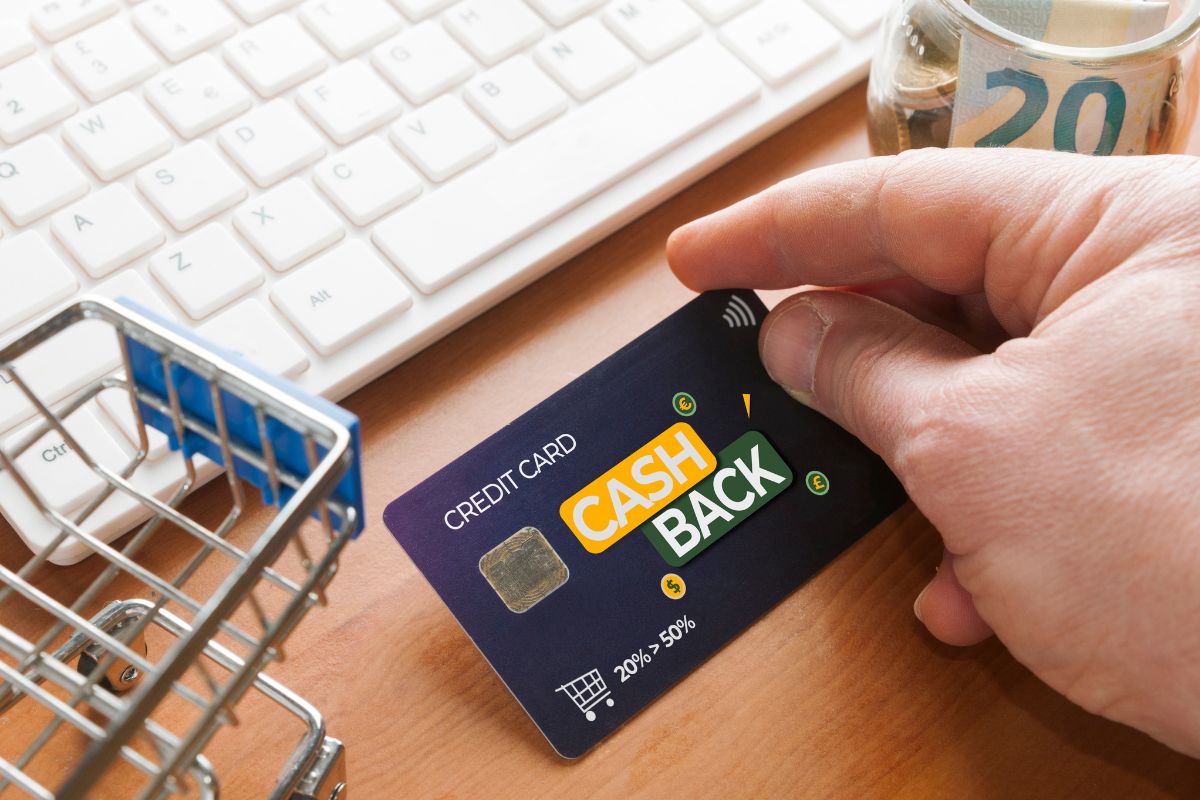
Cash back credit cards continue to be one of the most effective ways to earn rewards without overcomplicating your finances. In 2025, new card structures and evolving consumer spending habits mean more opportunities than ever to get rewarded for your everyday purchases—whether that’s groceries, gas, dining out, or streaming your favorite shows. This guide breaks down how these cards work, the types available, and how to choose the ones that align with your lifestyle to maximize every dollar you spend.
The Cash Back Mechanism: Your Purchases Turned into Dollars
Cash back credit cards operate on a straightforward principle – they return a percentage of your spending directly to you. This rebate typically ranges from 1% to 5%, depending on the card and purchase category. Unlike complicated point systems that require mental gymnastics to determine value, cash-back rewards provide crystal-clear dollar amounts.
Most issuers distribute these rewards through one of three primary methods:
- Statement credits that reduce your next billing cycle’s balance
- Direct deposits are transferred straight to your checking or savings account
- Physical checks are mailed to your address upon request
The timing of these rewards varies by issuer. Some credit cards credit your account immediately after purchase settlement, while others accumulate rewards monthly or quarterly before disbursement.
Reward Structures That Work For You
The market offers several distinct earning structures:
- Immediate earnings: Rewards post to your account shortly after purchases clear
- Threshold requirements: Some issuers require you to accumulate a minimum amount (typically $25) before redemption
- Expiration policies: While most cash back never expires (as long as your account remains open), some programs do impose time limits
What makes these cards particularly attractive is their universal utility. Unlike travel rewards that require specific booking platforms or hotel points tied to certain properties, cash back puts real money back in your wallet that you can use however you choose.

Top Cash Back Categories That Maximize Your Returns
Grocery Rewards: Feeding Your Savings
Grocery shopping represents a significant portion of most household budgets, making it one of the most valuable cash back categories. Premium cards offer:
- 3-6% back at supermarkets and grocery stores
- Annual savings potentially exceeding $300 for families with substantial food budgets
- Coverage for most major chains and local markets
The high return rate combined with consistent household spending makes grocery rewards particularly lucrative. However, be aware that warehouse clubs and superstores that sell groceries are frequently excluded from this category.
Gas and Fuel Purchases: Rewards for the Road
For commuters and road warriors, gas station rewards deliver consistent value:
- 3-5% cash back at most fuel retailers
- Coverage for both pay-at-pump and in-store transactions
- Monthly savings that directly offset rising fuel costs
These rewards are especially valuable during periods of high gas prices or for those with long commutes. Some cards extend these benefits to alternative transportation methods like electric vehicle charging stations.
Dining and Restaurant Rewards: Satisfying Returns
From quick service establishments to fine dining venues, restaurant spending represents another high-value category:
- 3-4% back on most dining transactions
- Inclusion of food delivery services in many programs
- Coverage for cafes, bars, and nightclubs, in addition to traditional restaurants
The breadth of this category makes it particularly valuable for urban dwellers, professionals who frequently dine out, and families who enjoy occasional restaurant meals.
Online Shopping Bonuses: Digital Spending Dollars
E-commerce rewards have gained prominence as online shopping continues to grow:
- 2-5% back at major online retailers and marketplaces
- Enhanced rates during holiday shopping seasons
- Additional protections for digital purchases
These rewards often extend to both direct merchant websites and large online marketplaces, creating multiple paths to maximization.
Streaming Services and Digital Subscriptions: Entertainment Enhancement
As households maintain multiple subscription services, specialized cards now offer:
- 5-6% back on popular streaming platforms
- Coverage for music, video, and gaming subscriptions
- Automatic categorization of recurring digital payments
This relatively new category reflects changing consumer spending patterns and can substantially offset the growing cost of digital entertainment.
Types of Cash Back Credit Card Structures
Flat-Rate Cards: Simplicity at Its Best
Flat-rate cash back cards offer the same percentage back on every purchase regardless of category or merchant. These typically provide between 1.5% and 2% on all spending, making them ideal for consumers who:
- Value simplicity over maximization
- Have diverse spending patterns not concentrated in specific categories
- Prefer a “set it and forget it” approach to credit card rewards
These cards require no activation, category tracking, or strategic planning – just use the card and earn your fixed percentage back on everything.
Tiered Category Cards: Strategic Rewards for Focused Spenders
Tiered category cards provide elevated cash back percentages in specific spending categories while offering a lower base rate on everything else. Common structures include:
- 3-6% back on groceries
- 3-5% on gas and fuel
- 3-4% on dining and restaurants
- 1-1.5% on all other purchases
These cards work best for consumers whose spending aligns strongly with the card’s bonus categories, as the enhanced rates can substantially outperform flat-rate options in these specific areas.
Rotating Category Cards: Quarterly Bonus Opportunities
Rotating category cards feature bonus categories that change every three months, typically offering 5% back in these designated areas (up to quarterly spending caps) and 1% on everything else. These cards require:
- Quarterly activation through your online account or mobile app
- Awareness of current bonus categories
- Strategic timing of certain purchases to align with bonus periods
While potentially more complex to manage, these cards can deliver exceptional value when used deliberately.
Customizable Category Cards: Personalized Rewards
Some innovative issuers now offer cards allowing cardholders to select their own bonus categories from a predetermined list. These personalized options let you:
- Choose categories that align with your highest spending areas
- Adjust selections periodically as your spending habits evolve
- Tailor rewards to your specific lifestyle needs
This structure combines flexibility with optimization, creating a customized earning experience.
Hybrid Models: The Best of Both Worlds
Hybrid cash back cards merge multiple structures, typically offering:
- A solid flat rate on general purchases (1.5-2%)
- Enhanced rates in fixed bonus categories (3-5%)
- Occasional promotional periods with elevated earnings
These versatile options provide a strong baseline return while still rewarding category-specific spending.
Your Cash Back Game Plan: Making the Most of Every Dollar
With the right cash back credit card strategy, your daily purchases can generate significant returns over time—no travel redemptions or reward point conversions required. Whether you’re looking for simplicity, category-specific bonuses, or personalized rewards, there’s a card that fits your financial routine. Take stock of your spending, choose cards that match where your money goes, and stick to responsible usage. The result? A more rewarding way to spend, save, and strengthen your financial health in 2025 and beyond.
Leave a Reply