Disclosure:
My Finance Matters is a paid partner of Quicken Loans.
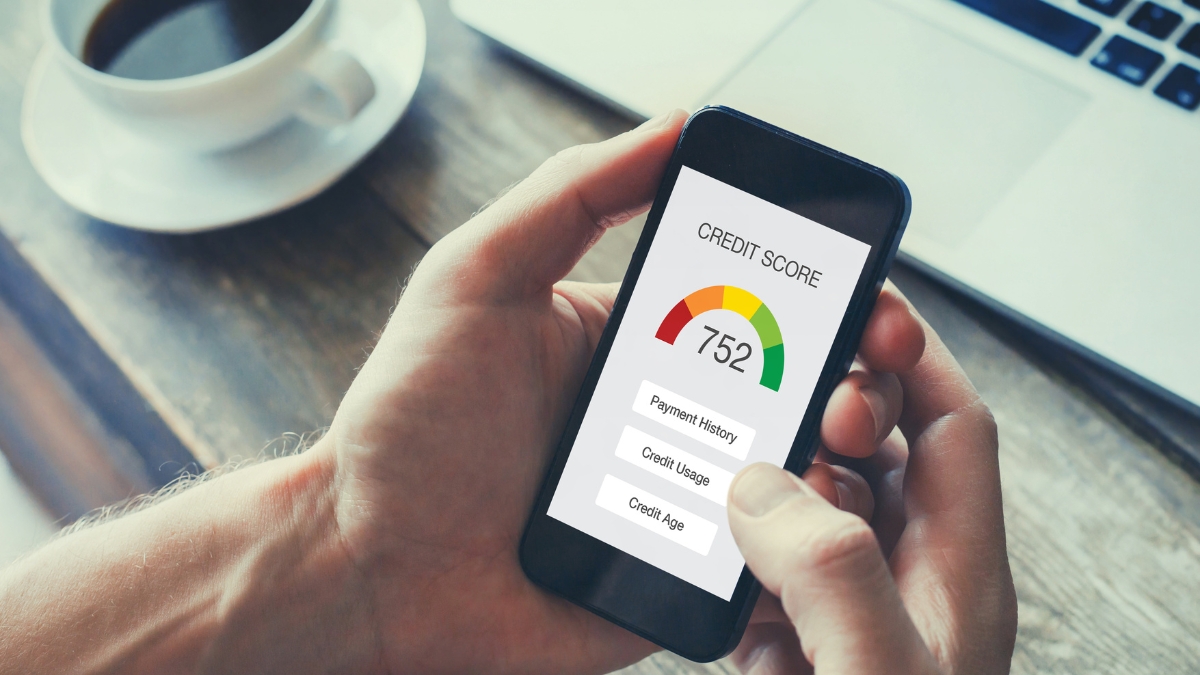
Your credit score plays a big role in home loan approval. Lenders look at it to evaluate the level of risk involved in lending money. Understanding your credit score for home loan approval can help you prepare and improve your chances of qualifying for favorable loan terms.
A strong score may help you qualify for lower interest rates and a smoother application process, while a lower score could require additional documentation or a larger down payment. The good news is that you can improve your score with consistent financial habits over time.
1. Credit Score for Home Loan Basics
When you apply for a home loan, your credit score shows lenders how you’ve managed credit in the past. Many lenders prefer a score of at least 620 for conventional loans, although requirements vary. In general, higher scores can improve your chances of qualifying for competitive loan terms.
A stronger credit score may help reduce your borrowing costs over the life of your loan. If you’re unsure where you stand, start with a credit report check to review your score and identify any errors that could affect it.
2. Minimum Credit Score for Mortgage
Every lender sets its own minimum credit score for mortgage approval. Some loan programs may accept scores around 580, while others require higher scores depending on the loan type and your overall financial profile.
A higher credit score typically provides more financing options and may improve your eligibility for competitive loan terms. If your score needs improvement, take time to strengthen it before applying.
3. Mortgage Pre-Approval Tips
Getting pre-approved can make the home-buying process easier. Here are a few mortgage pre-approval tips:
- Gather documents such as pay slips, tax returns, and bank statements.
- Avoid taking on new debt before applying.
- Review your credit report for errors.
- Keep your credit card balances low.
Pre-approval gives you a better understanding of your budget and demonstrates to sellers that you’re prepared to move forward. You can also explore educational resources from Quicken Loans to learn about the mortgage process and what to expect before beginning your home search.
4. How to Build Credit Fast
If your score needs improvement, here are a few ways to build credit. Pay all bills on time, keep credit card balances below 30% of your available credit, and avoid closing older accounts that contribute to your credit history.
You may also consider using a secured credit card or a small credit-building loan to establish a positive payment history. Review your progress regularly and stay consistent.
5. Fixing Bad Credit Before Applying
Improving bad credit takes time, but it’s achievable. Review your credit report carefully, dispute any inaccuracies, and work on reducing high credit balances. Lenders generally look for a history of responsible payment behavior.
If you’ve missed payments in the past, focus on making all current payments on time and paying down high-interest debt whenever possible.
6. Meeting Home Buying Requirements
Home buying requirements extend beyond your credit score. Lenders also evaluate your income, employment history, and debt-to-income ratio. A stable income and consistent financial history can strengthen your application.
Saving for a down payment can also improve your financial position by reducing the amount you need to borrow.
7. Personal Finance Tips for Long-Term Success
After buying a home, continue practicing healthy financial habits. Track your spending, build an emergency fund, and make all payments on time. These personal finance tips can help you maintain a strong credit profile and prepare for future financial goals.
Smart Moves Before You Apply
Your credit score can influence the type of home loan you qualify for and the financing terms available to you. By checking your credit report, managing debt responsibly, and following sound personal finance practices, you can strengthen your financial profile before applying.
Educational resources from Quicken Loans can help you better understand the home-buying process and important mortgage concepts as you prepare for homeownership. Stay informed, remain consistent with your financial habits, and work toward your long-term goals.
Leave a Reply