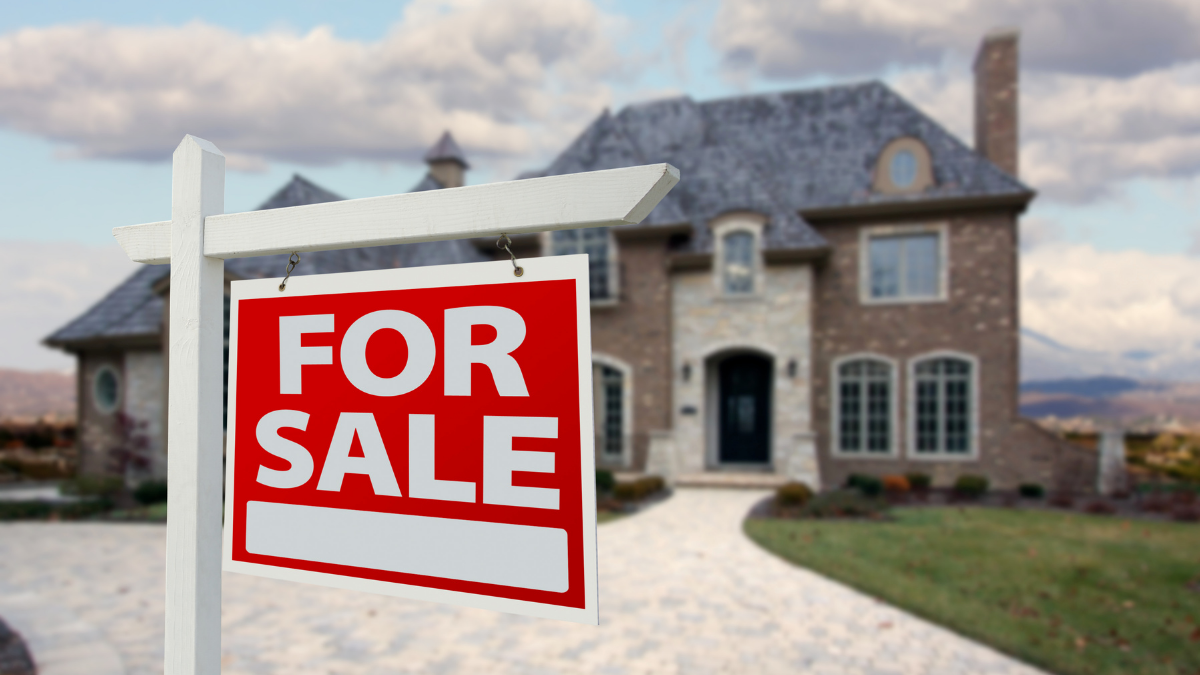
Whether you’re planning to sell your home soon or simply curious about its current market value, understanding what influences home value can help you make informed decisions. While online home value estimators offer a convenient starting point, they don’t always capture the unique characteristics of your property or the nuances of your local market.
A home’s value is determined by a combination of factors, including its location, condition, size, recent comparable sales, and current market conditions. Knowing what buyers and appraisers look for can help you better estimate what your home may be worth.
1. Location Is One of the Biggest Factors
The old real estate saying, “location, location, location,” remains true. Where your home is situated has a major impact on its value.
Factors that influence location include:
- Quality of local schools
- Neighborhood desirability
- Access to shopping, dining, and parks
- Commute times
- Public transportation
- Crime rates
- Future development projects
Even homes with similar layouts can have significantly different values based on their location.
2. Recent Comparable Home Sales
One of the most reliable ways to estimate a home’s value is by reviewing comparable sales, often called “comps.”
Comparable properties typically share similar:
- Square footage
- Number of bedrooms and bathrooms
- Age
- Lot size
- Location
- Overall condition
Real estate professionals use these recent sales to recommend a competitive listing price that reflects current market conditions.
3. Size and Usable Living Space
Larger homes generally command higher prices, but total square footage isn’t the only consideration.
Buyers also evaluate:
- Functional floor plans
- Number of bedrooms
- Number of bathrooms
- Finished basements
- Home offices
- Outdoor living areas
- Garage space
A well-designed layout may be more appealing than a larger home with an inefficient floor plan.
4. Home Condition and Maintenance
A well-maintained property often sells for more than one requiring significant repairs.
Buyers pay close attention to:
- Roof condition
- HVAC systems
- Plumbing
- Electrical systems
- Flooring
- Windows
- Paint
- Structural integrity
Regular maintenance helps preserve your home’s value and can reduce buyer concerns during inspections.
5. Renovations and Home Improvements
Not every renovation adds the same amount of value. Some projects consistently offer better returns than others.
Popular value-adding improvements include:
- Kitchen remodels
- Bathroom updates
- Energy-efficient windows
- Modern appliances
- New flooring
- Fresh interior paint
- Landscaping improvements
- Smart home features
Luxury upgrades may appeal to some buyers but don’t always provide a full return on investment.
6. Current Housing Market Conditions
Market conditions can influence home values just as much as the property itself.
Key market factors include:
- Housing inventory
- Buyer demand
- Mortgage interest rates
- Seasonal trends
- Local economic conditions
In a seller’s market, limited inventory and strong demand often push prices higher. In a buyer’s market, increased competition among sellers may put downward pressure on prices.
7. Curb Appeal
First impressions matter.
A home’s exterior often shapes a buyer’s opinion before they even step inside.
Simple improvements can make a noticeable difference:
- Fresh landscaping
- Clean walkways
- Pressure washing
- Exterior paint touch-ups
- Updated front door
- Well-maintained lawn
Strong curb appeal encourages more buyers to schedule showings and can positively influence perceived value.
8. Energy Efficiency and Modern Features
Today’s buyers increasingly value homes with energy-efficient features.
Examples include:
- Solar panels
- Energy-efficient HVAC systems
- Smart thermostats
- LED lighting
- High-efficiency windows
- Modern insulation
These upgrades can lower utility costs while making your home more attractive to buyers.
9. Local Supply and Demand
Even a beautifully maintained home is affected by the number of competing listings nearby.
If many similar homes are available, buyers have more choices, which can reduce pricing power. Conversely, when inventory is limited, sellers often have greater leverage during negotiations.
Understanding your local market is essential when determining an appropriate listing price.
10. Professional Valuations Provide Greater Accuracy
Online home value calculators use automated data and algorithms, but they may not account for recent renovations, neighborhood changes, or unique property features.
For a more accurate estimate, consider:
- A Comparative Market Analysis (CMA) from a real estate agent
- A licensed professional appraisal
- Comparing recommendations from multiple experienced agents
Reviewing several expert opinions can provide a more complete picture of your home’s true market value.
Tips for Maximizing Your Home’s Value Before Selling
Before listing your property, consider these simple steps:
- Complete minor repairs.
- Declutter and deep clean every room.
- Improve curb appeal.
- Refresh paint where needed.
- Stage key living spaces.
- Gather records of recent improvements.
- Compare multiple real estate agents to find the best pricing and marketing strategy.
These efforts can help your home stand out in a competitive market.
Final Thoughts
Your home’s value is influenced by far more than its size or age. Location, condition, recent comparable sales, market trends, upgrades, and buyer demand all play important roles in determining what your property may be worth.
Before listing your home, it’s wise to look beyond automated online estimates. Comparing recommendations from multiple experienced real estate agents can provide valuable insights into pricing, marketing, and local market conditions.
Platforms like Redy simplify this process by allowing homeowners to review proposals from qualified agents, helping them make informed decisions and maximize their home’s value.
Leave a Reply