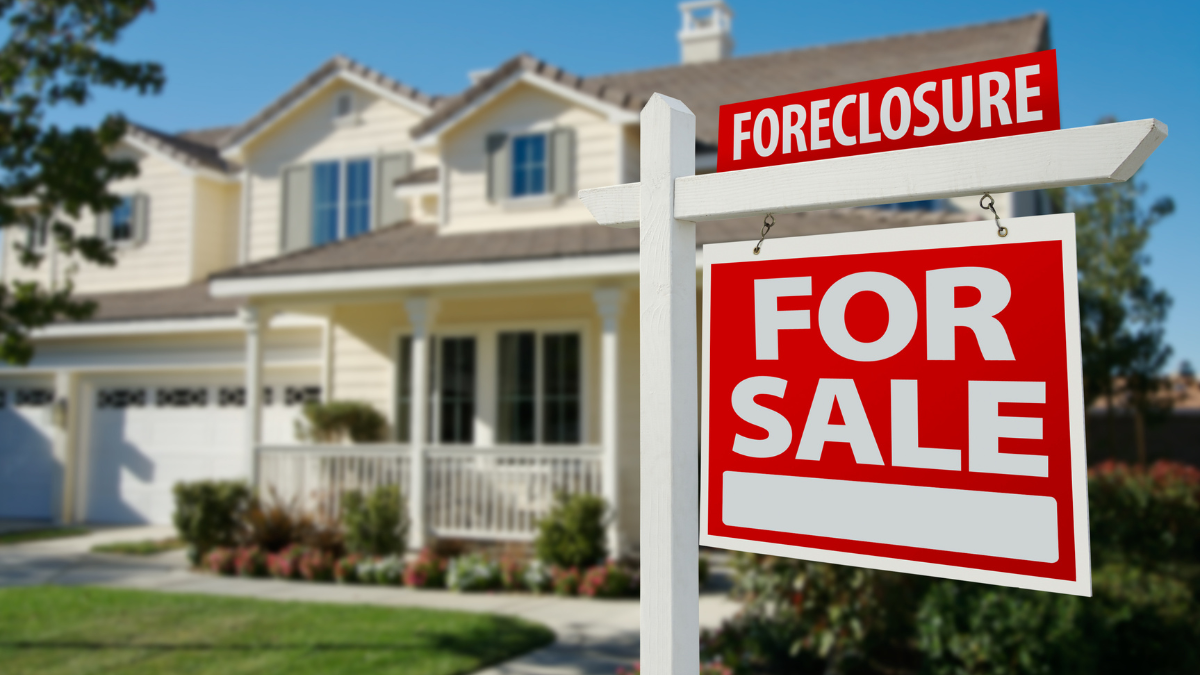
If you’re facing financial difficulties and need to sell a house in foreclosure, acting quickly may provide additional options before the foreclosure process reaches its final stage. Many homeowners encounter unexpected challenges such as job loss, medical expenses, divorce, relocation, or rising debt. In these situations, selling before foreclosure is completed may help reduce financial strain and limit long-term consequences.
This guide explains how foreclosure works, the options available to homeowners, and the steps involved in selling a property before the lender takes ownership.
What Does It Mean to Sell a House in Foreclosure?
To sell a house in foreclosure means selling your property before the lender completes the foreclosure process and takes possession of the home.
In many cases, homeowners still have the legal right to sell the property during the early stages of foreclosure. The proceeds from the sale are typically used to pay off the remaining mortgage balance and any associated fees.
The earlier you act, the greater the number of options you may have available.
Why Do Homeowners Face Foreclosure?
Foreclosure can happen for several reasons, including:
- Loss of employment
- Medical emergencies
- Divorce or separation
- Significant increases in expenses
- Difficulty keeping up with mortgage payments
- Relocation for work or family reasons
- Accumulated debt and financial hardship
While every situation is different, many homeowners explore a pre-foreclosure sale as a way to regain financial control before the foreclosure process advances further.
Understanding the Four Stages of Foreclosure
1. Pre-Foreclosure
This is often the most favorable stage for selling a property.
The lender has not yet completed legal foreclosure proceedings, and homeowners generally have the greatest flexibility. During this stage, you may pursue a traditional home sale, a short sale, or work with a cash home buyer.
2. Notice of Default
A Notice of Default indicates that the lender has officially begun foreclosure proceedings.
Although time becomes more limited, many homeowners can still sell the property before the scheduled foreclosure auction.
3. Foreclosure Auction Scheduled
Once an auction date is set, the timeline becomes much tighter.
At this stage, homeowners often seek fast-selling options to complete a sale before the auction occurs.
4. Post-Foreclosure
After foreclosure is finalized, ownership transfers to the lender or the successful bidder at auction.
Once this happens, the former homeowner generally loses the ability to sell the property.
Selling Options for Homeowners in Foreclosure
Choosing the right strategy depends on your equity position, timeline, and financial goals.
| Selling Option | Potential Advantages | Potential Considerations |
| Traditional Sale | May achieve a higher sale price | Often requires additional time for marketing and closing |
| Short Sale | May help avoid foreclosure when mortgage debt exceeds property value | Requires lender approval |
| Cash Home Buyer | Often provides a faster closing timeline | Sale price may be lower than market value |
Traditional Sale
A traditional sale may work well if you have equity in the property and enough time to market the home.
With this option, homeowners typically list the property with a real estate professional and seek offers from qualified buyers.
Short Sale
A short sale occurs when the lender agrees to accept less than the total amount owed on the mortgage.
This option may help homeowners avoid foreclosure when the property’s value is lower than the outstanding loan balance. However, lender approval is required before the transaction can be completed.
Working with a Cash Home Buyer
Some homeowners choose to work with a cash home buyer when time is limited.
Cash buyers often purchase homes in their current condition, which may reduce the need for repairs, staging, or lengthy negotiations. Companies such as Liz Buys Houses may be an option for homeowners seeking a faster closing timeline before a foreclosure deadline.
Financial Factors to Review Before Selling
Before listing your property, it is important to understand the full financial picture.
Common costs may include:
- Remaining mortgage balance
- Late fees and penalties
- Property taxes
- HOA dues
- Legal expenses
- Closing costs
Requesting an official payoff statement from your lender can help you determine the amount required to satisfy the loan.
How Foreclosure Can Affect Your Credit
A completed foreclosure can remain on your credit report for several years and may affect future borrowing opportunities.
Selling before foreclosure is finalized may result in fewer long-term credit consequences than allowing the foreclosure process to run its full course. Individual outcomes vary, so homeowners may benefit from speaking with financial or legal professionals regarding their specific circumstances.
Step-by-Step Guide to Selling Before Foreclosure
1. Contact Your Lender
Inform your lender that you intend to sell the property. Many lenders are willing to discuss available options during this stage.
2. Confirm Your Timeline
Ask for important dates, including:
- Notice of Default filing date
- Foreclosure auction date
- Remaining time before foreclosure completion
3. Request a Payoff Statement
Obtain the total amount required to satisfy the mortgage, including fees and penalties.
4. Determine Your Equity
Subtract the mortgage payoff amount from your property’s estimated market value.
5. Get a Current Property Valuation
A professional appraisal or comparative market analysis can provide a realistic estimate of your home’s value.
6. Select a Selling Strategy
Choose the approach that best aligns with your timeline and financial situation:
- Traditional sale
- Short sale
- Cash buyer sale
7. Market the Property
If pursuing a traditional sale, market the home effectively through listing services and other promotional channels.
8. Review Offers Carefully
Evaluate purchase price, financing terms, contingencies, and expected closing dates.
9. Complete Required Documentation
Provide any information requested by your lender, title company, or closing professionals.
10. Close Before the Deadline
The sale must be completed before foreclosure is finalized for the transaction to proceed successfully.
Frequently Asked Questions
Can I sell my house after receiving a foreclosure notice?
In many cases, yes. Homeowners often retain the right to sell the property after receiving a foreclosure notice, provided the foreclosure has not yet been completed.
Is a short sale better than foreclosure?
A short sale may result in fewer long-term financial consequences for some homeowners. Outcomes depend on lender requirements and individual financial circumstances.
How quickly can a cash buyer close?
Closing timelines vary. Some cash buyers may complete transactions within a few weeks, while others may require additional time depending on title and legal requirements.
Should I contact my lender before listing my house?
Yes. Early communication may help you understand your options and avoid unnecessary delays.
Who May Benefit from a Pre-Foreclosure Sale?
A pre-foreclosure sale may be suitable for homeowners who:
- Have fallen behind on mortgage payments
- Have received foreclosure notices
- Need to relocate quickly
- Are experiencing financial hardship
- Want to explore options before foreclosure is completed
Every foreclosure situation is different. The key is taking action as early as possible. Homeowners who explore their options sooner may have greater flexibility and additional paths available to resolve the situation.
For homeowners seeking information about fast-sale alternatives, companies such as Liz Buys Houses may provide another option worth evaluating alongside traditional sales and short sales.
Leave a Reply